Background
With established trade routes becoming increasingly precarious, interests aligned, and the Spanish monarch saw it prudent to sponsor Christophor Columbus on his expressed desire to explore new trade route to east Asia by sailing west. Christopher struck what he thought was the indie region of Asia which consequently caused the islands of the Caribbean to be referred to as West Indies. Unknown to him, he was on the soils of a continent which was uncontacted by the old world. First contact with Jamaica by the Spanish was in 1494 which they colonized until 1655 when the English in a relatively swift battle, defeated their under prepared forces on the island.
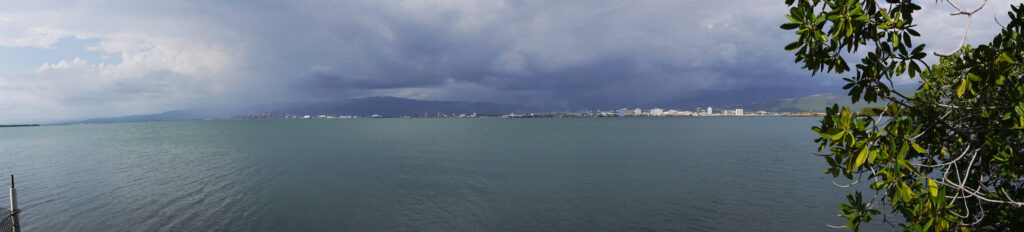
The English, in anticipation of Spanish reprisal wasted little time and got to work fortifying their defense in strategic locations along the shores. One such location was Port Cagway later renamed Port Royal, in honour of the reinstated sovereign, King Charles II. Port Royal was first settled by the Tainos, then the Spanish and now the English who leveraged the safety of its natural harbour and its proximity to busy shipping routes. Among the first structures made by the English was Fort Cromwell, later renamed Fort Charles in honour of the said King Charles II. Fort Charles was one of four Forts made in Port Royal, reflecting the English’s commitment to defending the area.
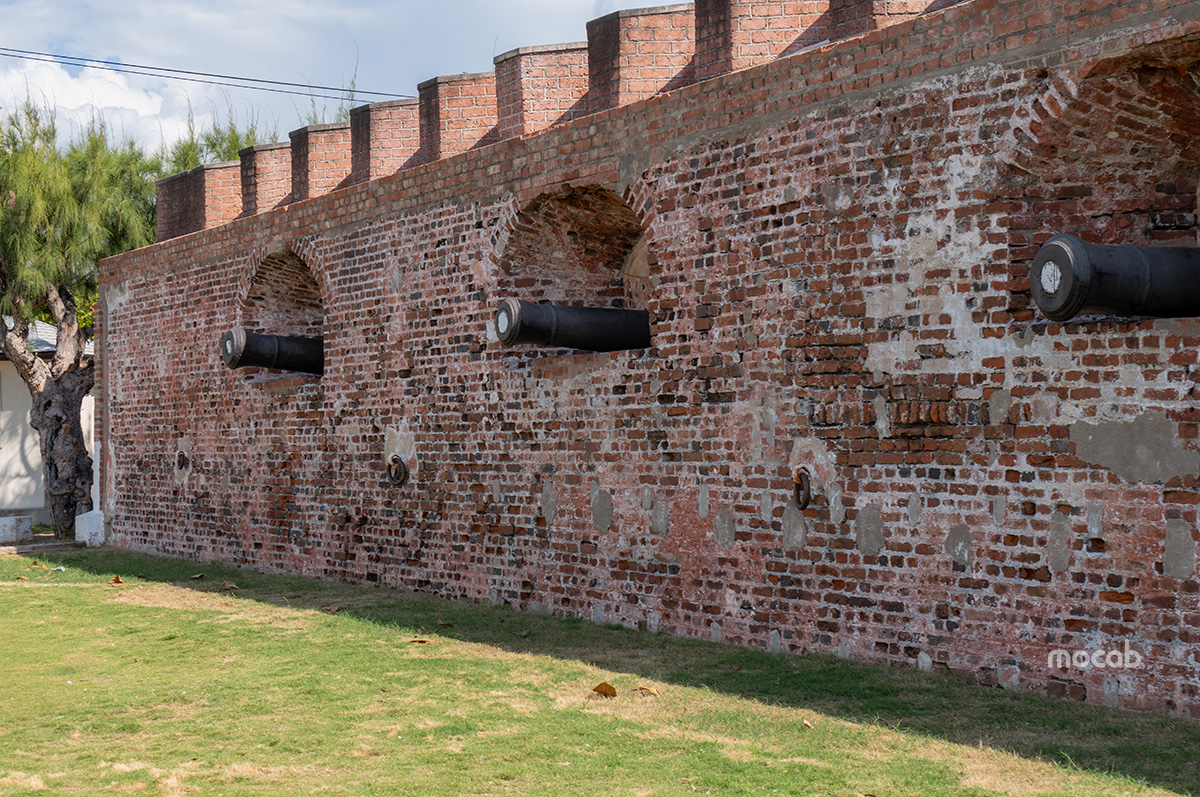
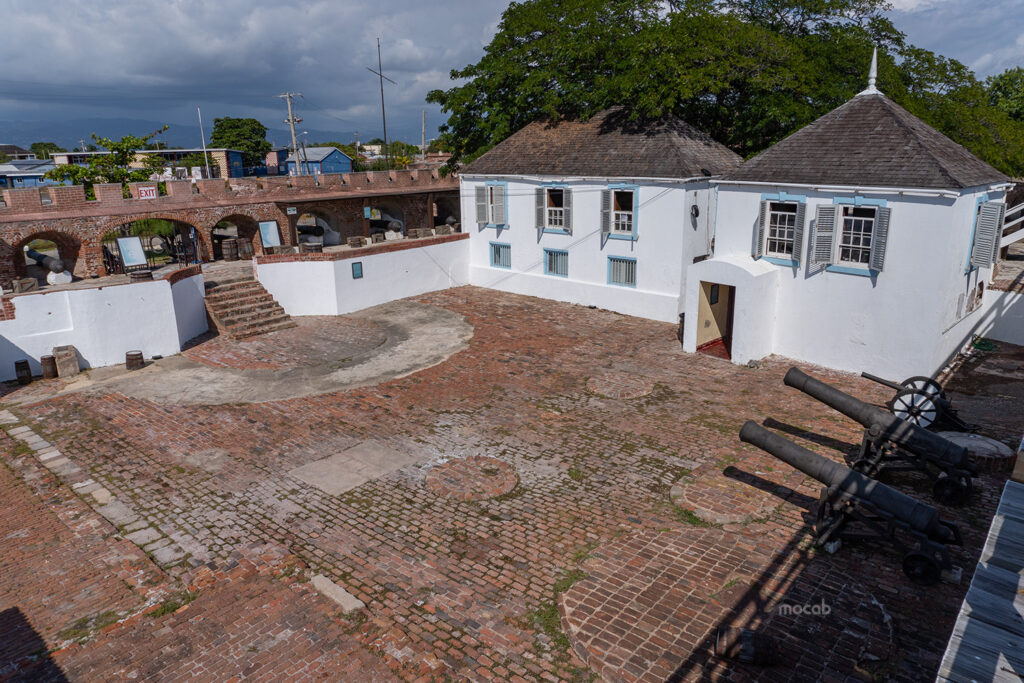
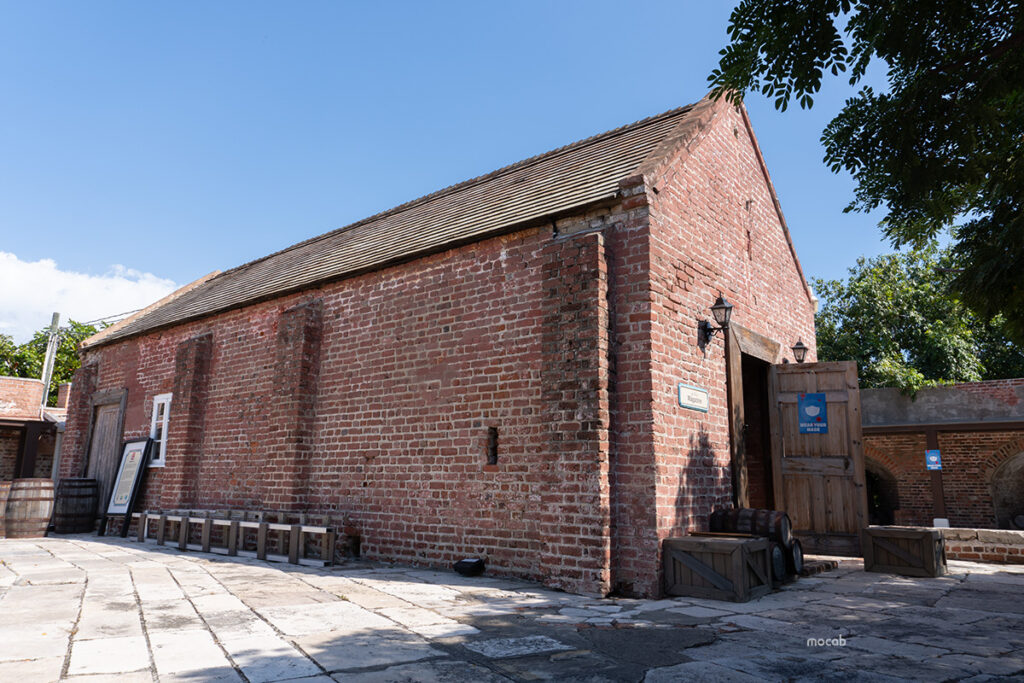
Fort Charles is made of brick and mortar with very thick walls to withstand the onslaught of any eventual threat that might appear from over the horizon. To face this threat, the fort was maned by a garrison of about 500 men and over 100 guns distributed between a lower and upper deck. On site was a magazine house storing gun powder, cannon balls and muskets.
The English was however not contented with only high walls and cannons. Recognizing that the high levels of piracy by the buccaneers or “brethren of the coast” would ward off Spanish sailors The crown subsequently officially sanctioned the pirates as privateers which tacitly allow the continuation of piracy, benefiting the buccaneers in profit and the crown in both security and material wealth.
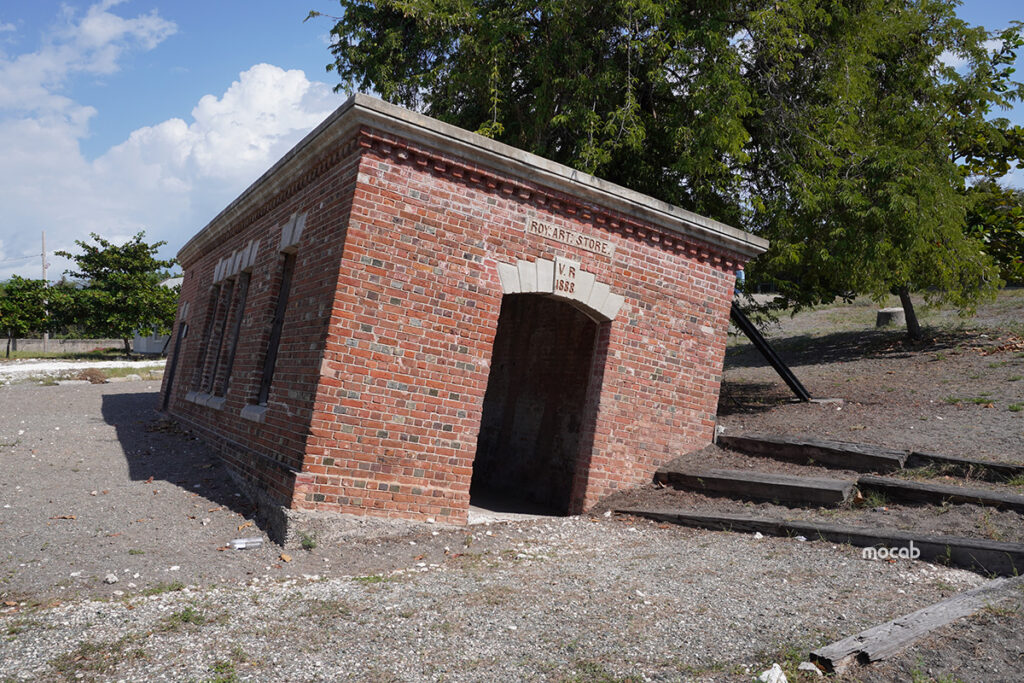
Port Royal quickly grow in riches and all manner of iniquitous activities, gaining it the reputation of being called the “wickedest city on earth”. Even faster than its rise was its decline. The port city experienced a severe earthquake in 1692 that sunk over half of the city under the waters of the Caribbean Sea taking the lives of over 1500 persons. Various buildings went under the waves including fort Rupert, fort James, and Fort Charlies. Fort Charles survived the tremors and the faith of being pulled beneath the waves. A glaring testament of what happen on that day is the Roy Art Store now known as the “giddy house” that now lie partially sunk in the ground and swayed to one side due to the liquification effect on the soil caused by the earthquake.
The fort today is an icon of the small community of port royal which is a magnet for curious visitors. For a fee you can gain access and a guided tour of the site. Notwithstanding its brutal origin and purpose, the fort with its vibrant and timeless red bricks contrasted with the white mortar has a rustic and timeless appeal. The precise finishing is a testament to the level of craftmanship that went into its construction. Entering the fort is entering a portal that provides an insight into a period in history marked by conflict and adventurism. The world heritage committee being satisfied that the site and the wider community has met the necessary criteria, have officially listed Port Royal has a UNESCO world heritage site on 12 July 2025. Making it the second such enlistment of a site in Jamaica after the blue and john crow mountain’s inscription in 2015.
Though the fort has never been tested in battle, it has withstood the test of various powerful forces of nature such as earthquakes, hurricanes and also the test of time itself.
______________________________________________________________________
